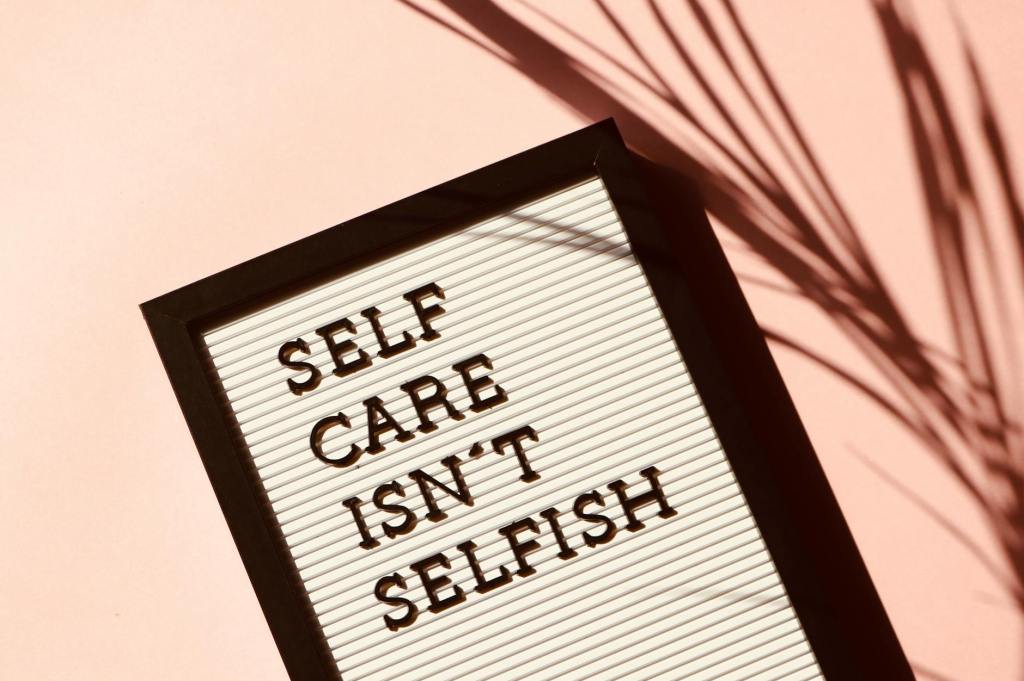
In today’s fast-paced world, mental health is an essential yet often overlooked aspect of our well-being. Many of us unknowingly engage in habits that can negatively impact our mental health. Here are five things that are surprisingly detrimental to your mental well-being and some tips on how to manage them.
1. Checking Emails, Notifications, and Social Media First Thing in the Morning
The moment you wake up, your brain is in a highly impressionable state. Diving straight into emails, notifications, and social media exposes you to a flood of information that can trigger stress and anxiety. This habit sets a reactive tone for the rest of your day.
Tip: Instead of reaching for your phone first thing in the morning, try starting your day with a mindfulness practice, such as deep breathing exercises, meditation, or simply enjoying a few moments of quiet. Establish a morning routine that focuses on self-care before engaging with technology.
2. Not Exercising
Exercise is often touted for its physical benefits, but it also plays a crucial role in maintaining mental health. Regular physical activity boosts the production of endorphins, the body’s natural mood lifters. A lack of exercise can lead to feelings of lethargy, low mood, and increased stress.
Tip: Incorporate at least 30 minutes of moderate exercise into your daily routine. This could be anything from a brisk walk, a yoga session, or a gym workout. Find an activity you enjoy, which will make it easier to stick with it.
3. Sleeping In Too Often
While catching up on sleep occasionally is fine, regularly sleeping in can disrupt your internal body clock. This irregularity can lead to feelings of grogginess and low energy levels, making it harder to concentrate and affecting your mood throughout the day.
Tip: Aim to maintain a consistent sleep schedule, even on weekends. Wake up and go to bed at the same time every day to regulate your circadian rhythm and improve the quality of your sleep.
4. An Irregular Sleep Pattern
Your body thrives on routine, especially when it comes to sleep. An erratic sleep schedule can lead to sleep deprivation, which affects cognitive function, emotional regulation, and overall mental health.
Tip: Establish a bedtime routine that helps signal to your body that it’s time to wind down. Avoid screens at least an hour before bed, and consider activities like reading, taking a warm bath, or listening to calming music.
5. Chronically Comparing Yourself to Others
Looking to others for inspiration is natural, but constantly comparing yourself to others can be detrimental to your mental health. This habit can steal your joy, lower your self-esteem, and lead to feelings of inadequacy.
Tip: Focus on your own progress and celebrate your achievements, no matter how small. Practice gratitude by acknowledging the positive aspects of your life. Limit your exposure to social media if you find it triggers feelings of comparison.
Conclusion
Small changes in your daily habits can make a significant difference in your mental health. By being mindful of these five surprisingly detrimental activities and implementing healthier routines, you can create a more balanced, fulfilling life. Remember, taking care of your mental health is just as important as looking after your physical well-being.












Leave a comment