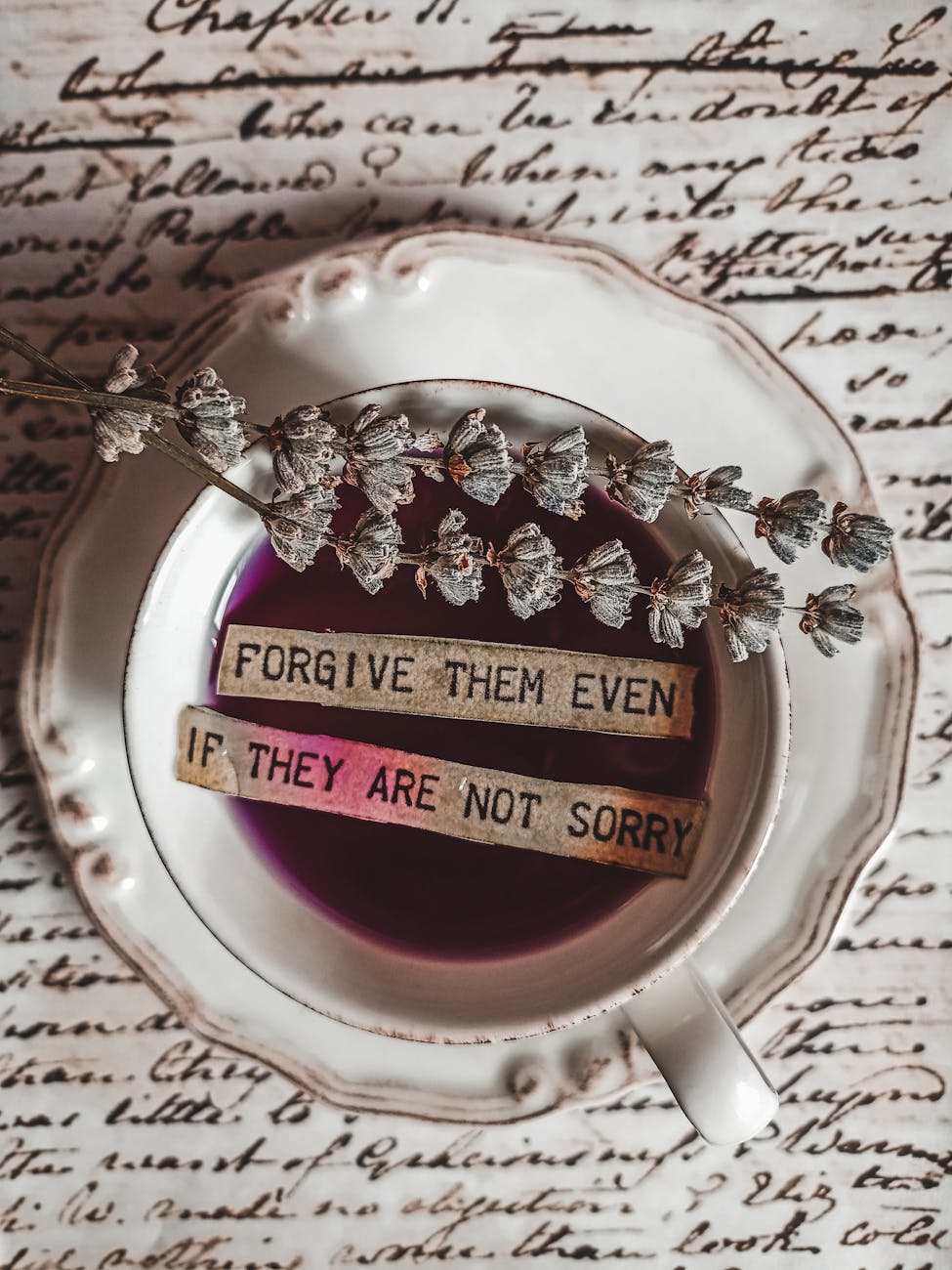
I’ve spent years wrestling with the hurt from my past. It comes in waves—sometimes a small sting, other times a tidal wave that knocks me down. The source of that pain is someone who should have been my protector, my guide, my safe place. Instead, I was left broken, confused, and lost. But as I’ve grown, I’ve learned that forgiveness is not just for the one who hurt me; it’s for me.
I didn’t realize it at first, but holding on to the resentment only hurt me more. The anger, the bitterness—it kept me anchored to my past, stopping me from moving forward and healing. Stopping me from being present in my marriage. Stopping me from being present for my kids. Most importantly, stopping me from being good to myself.
For years, I waited for an apology that would never come. I waited for some acknowledgment of the damage caused, but it was clear that wasn’t going to happen. I was stuck.
But then I began to understand something important: forgiveness doesn’t mean excusing the hurt or pretending it didn’t happen. It means releasing the hold it has on your life. It means freeing yourself from the chains of resentment that have been holding you back. And that freedom? It’s the peace you’ve been searching for.
When I forgave, I didn’t forget. I didn’t excuse the actions that caused me so much pain. But I stopped allowing that pain to control me.
Forgiveness didn’t mean that what happened to me was okay, but it meant I was no longer willing to let that person—who may never understand the extent of their actions—have power over my happiness, my future, or my heart.
I’ve learned that forgiveness is a choice, not a feeling. You might not feel like forgiving in the moment, and that’s okay. But every day, you make the choice to forgive because you understand that it’s not about them; it’s about you. You forgive because you deserve peace. You forgive because you can’t carry that weight anymore.
Forgiveness is also about letting go of resentment. It’s about healing from the inside out and allowing space for something better to fill that void.
I know that letting go of those painful memories doesn’t mean I’ll forget them, but it means I no longer carry them as a burden. It’s a step toward healing, and it’s a step toward reclaiming my life.
Here’s an important thing to remember, though: forgiveness doesn’t always mean reconciliation. Sometimes, the person who hurt you is never going to change. They may never apologize, or they may not even recognize the damage they’ve caused.
And that’s okay. You don’t have to reconcile with them to forgive them. In fact, it might not always be wise to do so. Some relationships can’t be repaired, and that’s a painful reality we must face.
What forgiveness does, however, is open the door to generosity. Even if you never speak to that person again, you can forgive them and let go of the resentment. Forgiveness doesn’t mean you have to invite them back into your life or trust them again. But it does mean that you can release the hold they have over you, and maybe, just maybe, if they need it, you can offer them the grace they never gave you.
So, if you’re holding on to pain and resentment, I encourage you to make the choice to forgive—not for them, but for you. Choose peace. Choose freedom. You deserve it.
-Lis








Leave a comment